Roofing Guide
Metal vs. Shingle Roofing in the New Mexico Sun.
An honest comparison of metal and asphalt shingle roofs for high-desert homes, covering lifespan, cost, heat, UV, and hail.
Paramount RoofingLicensed roofing contractor, NM GS-21 #4001135 min read
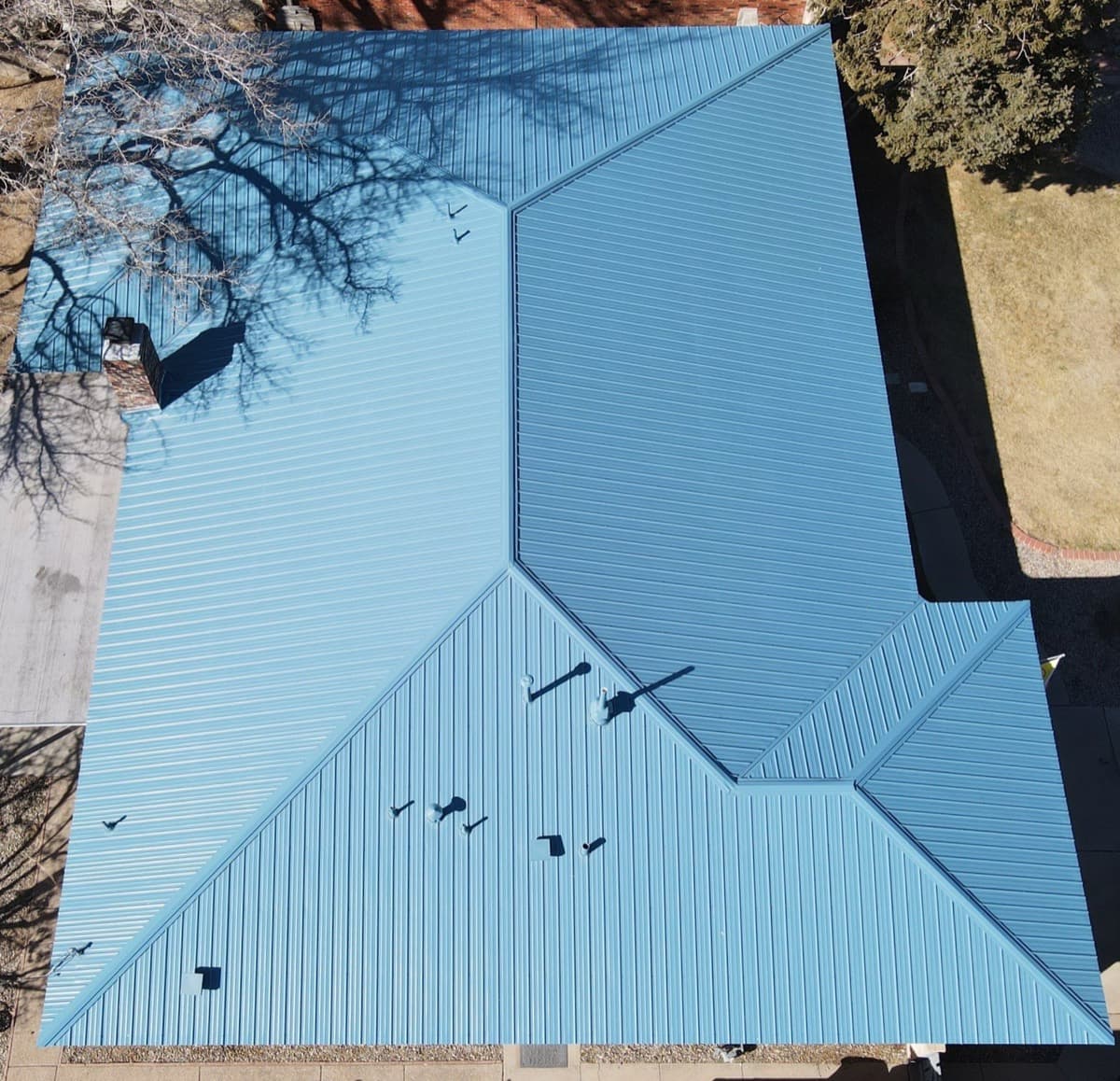
Two roofing materials cover most homes in central New Mexico: asphalt shingles and metal. People often ask which one is better, but that is the wrong question. The better question is which one fits your house, your budget, and how long you plan to stay. Both can work well here. They simply make different trade-offs.
What makes our region demanding is the sun. At 5,000 feet and higher, the air is thinner and the ultraviolet light is more intense than it is closer to sea level. Add long hot summers, big swings between daytime and nighttime temperatures, and monsoon-season hail and wind, and a roof here takes a real beating. That climate is the lens to view every comparison through.
Lifespan: How Long Each One Lasts
Architectural asphalt shingles, the dimensional kind most homes use today, are often rated for roughly 20 to 30 years. In a high-UV climate the real-world number can land at the lower end of that range, because relentless sun ages the material faster than it would in a milder place. A quality metal roof is a different category. Metal roofs often last roughly 40 to 70 years, which can mean one metal roof outlives two or three shingle roofs on the same house.
That gap matters most if you plan to stay put for decades. If you expect to move in five or ten years, you may never see the payoff from the longer-lived option, and paying for it can be hard to justify.
Upfront Cost and the Long View
Asphalt shingles are the budget-friendly choice, and they are common for good reason. They cost less to buy, the labor is straightforward, and almost any roofing crew can install and later repair them. Metal costs more upfront, often a good deal more, because the material and the installation are both more involved.
The case for metal is the long view. Spread the higher price over a roof that may last twice as long, and the yearly cost can narrow or even favor metal. But that math only works if you keep the home long enough to collect on it. For many households, a well-installed asphalt roof is simply the sensible call, and there is nothing wrong with that.
Heat and UV in the High Desert
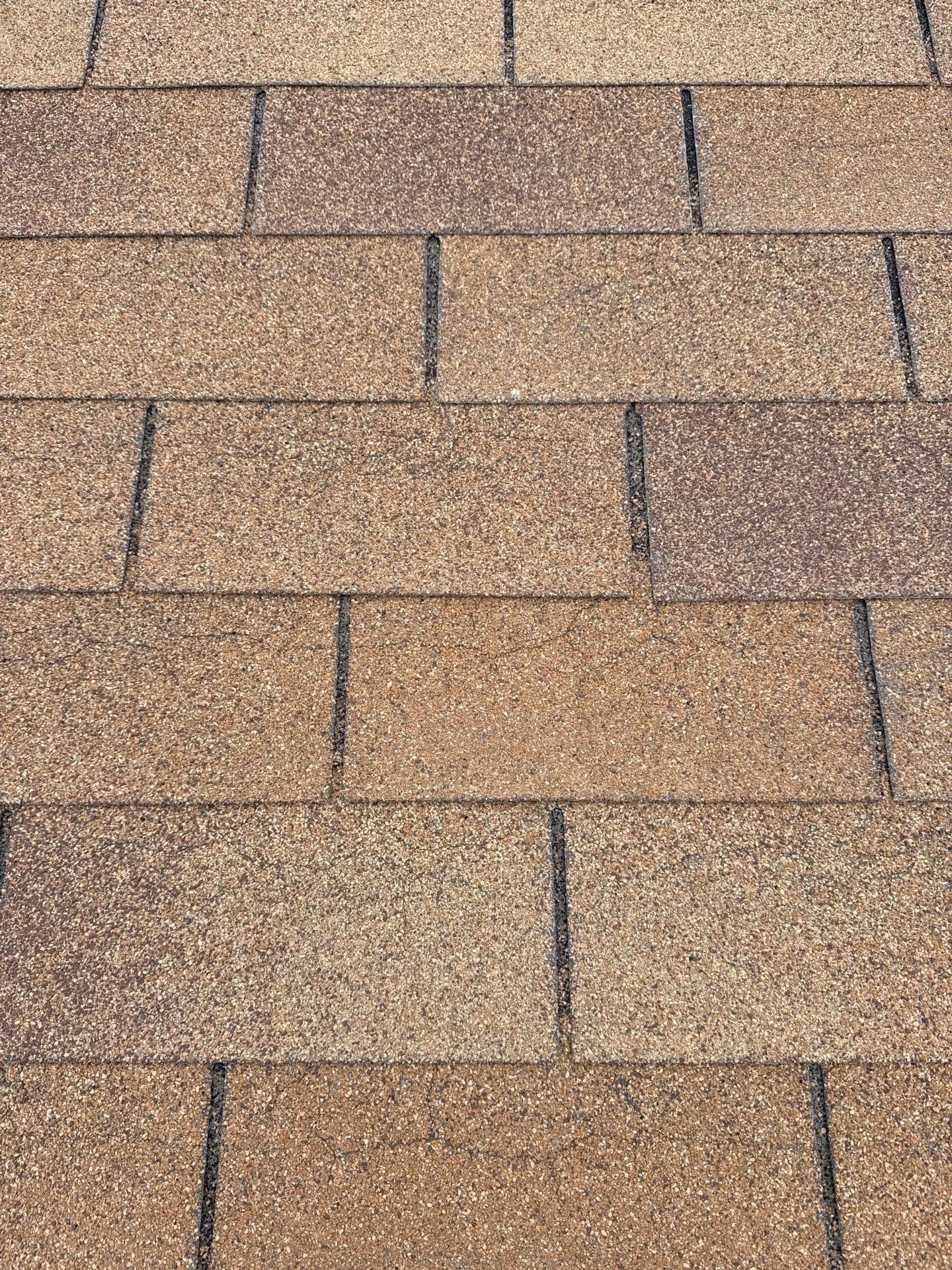
This is where our sun shows up most clearly. Intense UV slowly dries out asphalt shingles. Over time you may see curling edges, cracking, and loss of the protective granules that give shingles their color and shield the asphalt underneath. Bare or thinning spots are a sign the surface is wearing down. Big day-to-night temperature swings add stress, since the material expands and contracts every day.
Metal handles UV differently. It does not dry out or shed granules the way asphalt does. A light-colored or specially coated reflective finish, sometimes called a cool roof, can bounce a meaningful share of the sun’s heat away rather than soaking it in. That can help keep an attic cooler in July. Lighter-colored shingles and reflective shingle products exist too, so this is not strictly a metal-only advantage, but metal tends to lead here.
Hail, Wind, and Impact
Monsoon season brings hail and gusty wind, and neither material is hail-proof. The useful concept to know is the Class 4 impact rating, the top tier of a standard test (UL 2218) where a steel ball is dropped on the roofing to see if it cracks. Class 4 products, available in both asphalt and metal, resist impact better than standard ones. Some insurers offer a premium discount for them, so it is worth asking.
Each material fails in its own way. Hail can bruise or crack asphalt shingles and knock loose granules. Metal usually holds up structurally, but a hard hailstone can leave dents. Those dents are typically cosmetic rather than a leak, though some homeowners dislike the look. Standing-seam metal and thicker-gauge panels tend to handle impact better than thin, exposed-fastener panels.
Other Things People Weigh
- Noise: with a solid deck and underlayment beneath it, a metal roof is much quieter in rain than the tin-shed reputation suggests, though it can still be slightly louder than asphalt.
- Weight: asphalt is heavier than metal; a metal roof is light, which can be a plus on some structures.
- Expansion and contraction: metal moves more with temperature swings, so proper fasteners and detailing matter to prevent loosening over the years.
- Fire resistance: metal is non-combustible, and many asphalt shingles carry a strong fire rating as well, so both can perform well here.
- Resale: a newer roof of either type helps a sale; a long-lived metal roof can be a selling point, while a fresh asphalt roof reassures buyers without a premium price.
So Which One
There is no universal winner. Asphalt shingles are the practical, lower-cost choice that suits a great many homes, especially if you are watching the budget or do not plan to stay forever. Metal is a long-term investment that can pay off over decades through longer life and better heat reflection, if you intend to keep the house and the higher upfront cost fits. The right answer depends on your timeline and your priorities, not on which material is fashionable. A good roofer should walk you through both honestly, including when the cheaper option is genuinely the smarter one.
Related on this site
Want a straight answer on your roof?
A free estimate is the simplest way to find out where your roof really stands. We take a look, document what we find, and tell you straight.
4.9★ · 200+ Google reviews · Licensed, bonded & insured · NM GS-21 #400113