Emergency & Storm Response
Roof emergency?
We answer 24/7.
Active leak or fresh storm damage in the Albuquerque metro? Your call is answered day or night.
Call now
505-615-0646Not an active emergency? Request an inspection and we’ll come take a look on a schedule that works.
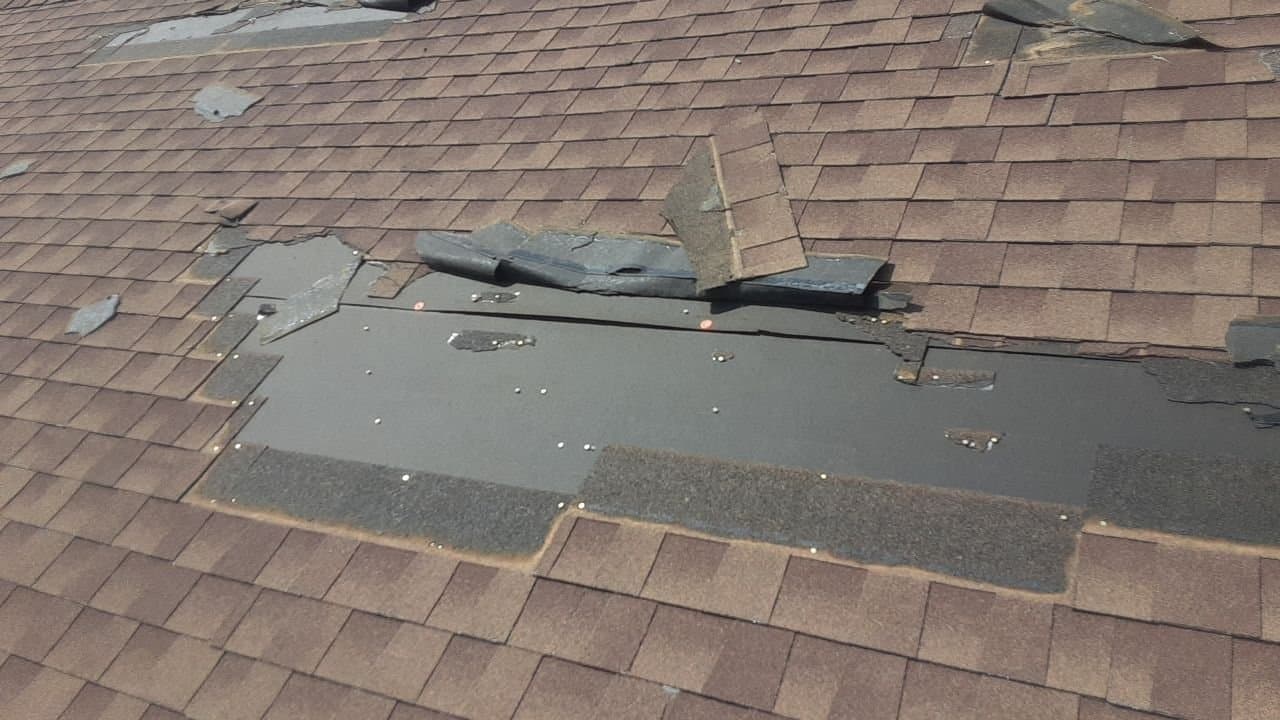
Right now, before we get there
- Cut power at the breaker if water is reaching a light, an outlet, or wiring.
- Puncture a bulging, water-filled ceiling over a bucket so it drains in one spot instead of collapsing.
- Photograph everything you can safely see, inside and from the ground.
- Stay off the roof. A wet roof is genuinely dangerous, and reaching the leak is our job.
Do this now
What to do right now.
Call first, then work down the list. These steps make a real difference to how much damage ends up inside, whether or not you’ve reached us yet, and none of them means getting on the roof.
01
Call us first
The sooner we know, the sooner we can stop the water and limit the damage inside. Call now, day or night. Don’t wait for the rain to stop.
02
Cut the power if water reaches it
If water is getting to a light, an outlet, or wiring, switch that circuit off at the breaker. Water and electricity together are the real danger here, not the roof. Do this before you reach up near a wet ceiling.
03
Drain a bulging ceiling
If a patch of ceiling is bulging and heavy with water, puncture it over a bucket so it drains in one spot instead of collapsing across the room. Stand to the side when you do it.
04
Protect what’s below
Move furniture and valuables away from the leak, and put down buckets or a tarp inside to catch the water. Don’t get on the roof yourself. A wet roof is genuinely dangerous, and that’s our job.
05
Photograph the damage
Snap photos of the interior damage and anything you can safely see from the ground. Dated photos help your insurance claim, and we’ll document the rest properly when we arrive.
Is this an emergency?
Call now, or schedule it. We’ll tell you straight.
Not every roof problem needs a midnight call, and we won’t pretend otherwise. If water’s coming in or the roof is open, call. If it can safely wait, our standard roof repair process is the better (and usually cheaper) route. Not sure what you’re looking at after a storm? Here’s how to spot storm and hail damage.
Call us now if
- Water actively dripping or running into your home during or right after a storm
- A section of roof torn open, lifted, or peeled back by wind
- A tree limb or debris that has punctured the roof
- A ceiling that’s sagging, bulging, or staining fast in front of you
It can probably wait if
- An old stain that isn’t growing and there’s no active drip
- A few shingles or tiles down with no leak showing inside
- A small drip you’ve caught in a bucket and the weather has cleared
- Routine wear you’ve been meaning to have looked at
During an active storm, be realistic about timing: nobody can safely tarp a roof in lightning and driving rain, and we won’t pretend otherwise. Calling now still puts you earlier on the list, and we come out the next business day, weather allowing.
How we respond
On the phone now, on the roof the next business day.
An emergency call isn’t a sales visit. It’s four things, done in order: get to you, stop the water, find the real source, and document everything for your claim. Here’s what that looks like.
On-site assessment
We come out the next business day, weather allowing, anywhere in the greater Albuquerque metro, and get eyes on the roof to see exactly what’s happening, and how urgent it is.
Temporary stabilization
When the weather and the roof allow it, we tarp and stabilize the opening to stop more water getting in while we plan the real repair.
Leak-source diagnosis
We find where the water actually gets in, not just where the stain shows up on your ceiling. Water travels; the entry point is rarely above the drip.
Documented for your claim
We photograph the damage and the work as we go, so you have dated, detailed proof for your insurance, not just our word for it.
Why the source matters
The stain on your ceiling isn’t the leak.
Water almost never enters directly above where it shows up inside. It runs along the underside of the deck, follows a rafter, and drips where it finds a seam, sometimes feet away from where it actually got in. Patch the stain and you’ve fixed nothing; the next storm proves it.
So we trace it back to the real entry point (a lifted flashing, a failed pipe boot, a cracked tile, a nail backing out) and fix that. A leak stopped at the source stays stopped.
Documented for your insurance
As we work, we photograph the damage and what we do about it: dated, detailed, and organized for an adjuster. That record is often the difference between a claim that gets paid and one that gets questioned. Most policies also expect the homeowner to prevent further damage once a leak starts, which is why emergency tarping is normally a reimbursable part of a storm claim. Save any receipts, and we document the tarp the same way we document the repair. Here’s how we help with insurance claims.
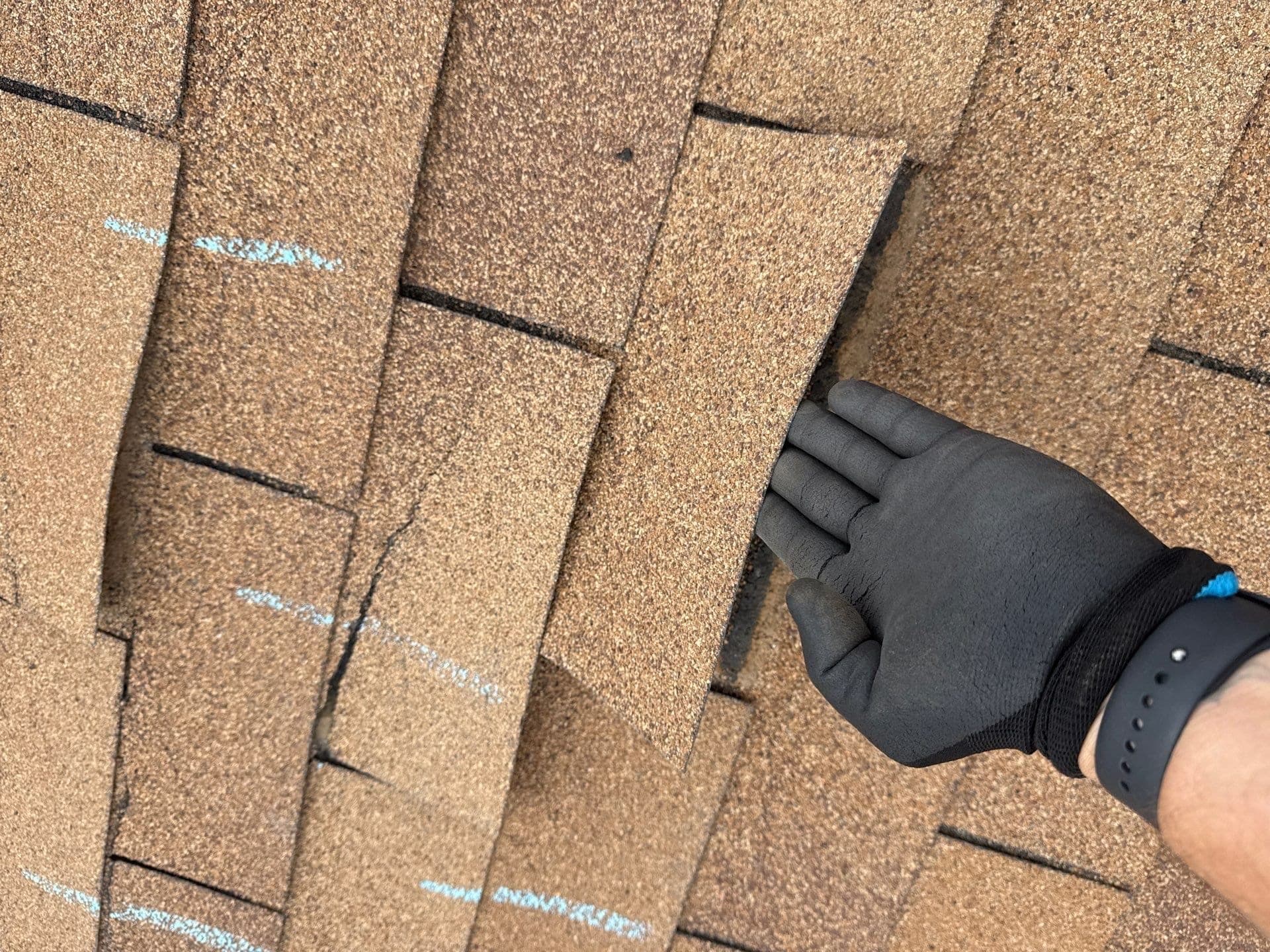
From a real inspection
Finding an active leak at its source.
This roof had an active leak. The trick isn’t patching where the water shows up inside, it’s finding where it actually gets in. Here’s how we traced it.
What we found
- The leak traced back to the scupper, where water drains off the roof. That’s the usual entry point when a leak shows up near a wall.
- The wall flashings were cracking open across the roof, and a couple of the skylights were cracked too.
How we fix it
- We seal and coat the wall flashings with silicone and reseal every roof penetration, so water stops finding its way in.
- Where runoff was beating down and wearing out the roof, we add conductor heads and downspouts to carry it away cleanly. This roof was still serviceable, so it needed servicing, not replacing.
Questions
Emergency questions, answered.
Is someone really there at 2 a.m. on a holiday?
How fast can you get here?
What counts as a roofing emergency?
Do you charge for the emergency call?
Will you work with my insurance company?
Can you tarp it before the full repair?
Water’s coming in? Don’t wait it out.
Once you’re safe, we take over: stop the water, find the source, and document it all for your claim. See our roof repair process and how we help with insurance claims after a storm.
Answered 24/7 (day, night, weekends & holidays). Paramount is based in Rio Rancho and covers Albuquerque and Placitas.