Roofing Guide
What a Real Roof Inspection Covers.
A plain-English guide to what a thorough roof inspection examines, from the surface to the attic, and what a good written report should include.
Paramount RoofingLicensed roofing contractor, NM GS-21 #4001135 min read
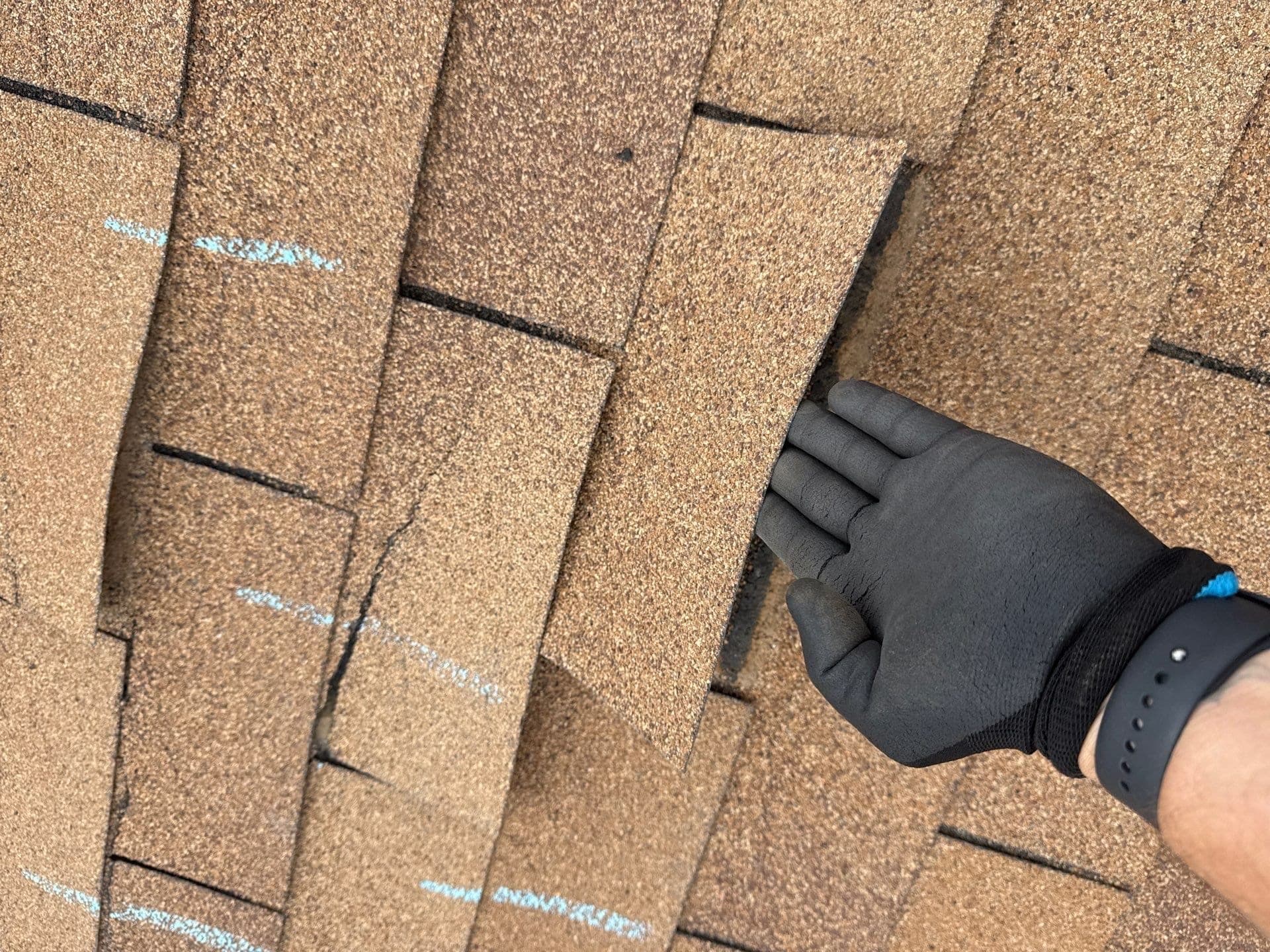
A roof inspection is more than someone glancing up from the driveway. A thorough one is a methodical walk through every part of the system that keeps water out of your house, from the surface down to the attic side. Knowing what should be checked helps you tell a careful inspection from a quick look.
Here is what a real inspection covers, in plain terms, and what a good report should give you afterward. None of this is specific to one company. It is the general standard you can hold any inspector to.
The Roof Surface
The surface is where most problems show first. On a shingle roof, the inspector looks at each plane for cracking, curling edges, and granule loss. Those granules are the protective mineral surface embedded in the shingle that shields the asphalt from the sun. Under intense high-desert sun at higher elevations, ultraviolet light is strong, and granule loss tends to show up sooner than it would in a milder, lower climate. On metal panels the focus shifts to loose or backed-out fasteners, oil-canning, and worn coatings; on tile, to cracked, slipped, or missing pieces.
- Cracked, curling, blistering, or missing shingles
- Bald spots where the protective granules have worn off
- Loose, lifted, or improperly nailed pieces
- Cracked, slipped, or broken tiles
- Loose fasteners or failing coatings on metal panels
Flashing, Penetrations, and the Roof Edge
Most leaks do not start in the open field of the roof. They start at the seams, where the roof meets something else. A careful inspector spends real time on flashing, the metal that seals joints around chimneys, walls, and skylights, and on the sealant at those joints, which dries out and pulls away over time. Big day-to-night temperature swings tend to work that sealant loose faster than a milder climate would.
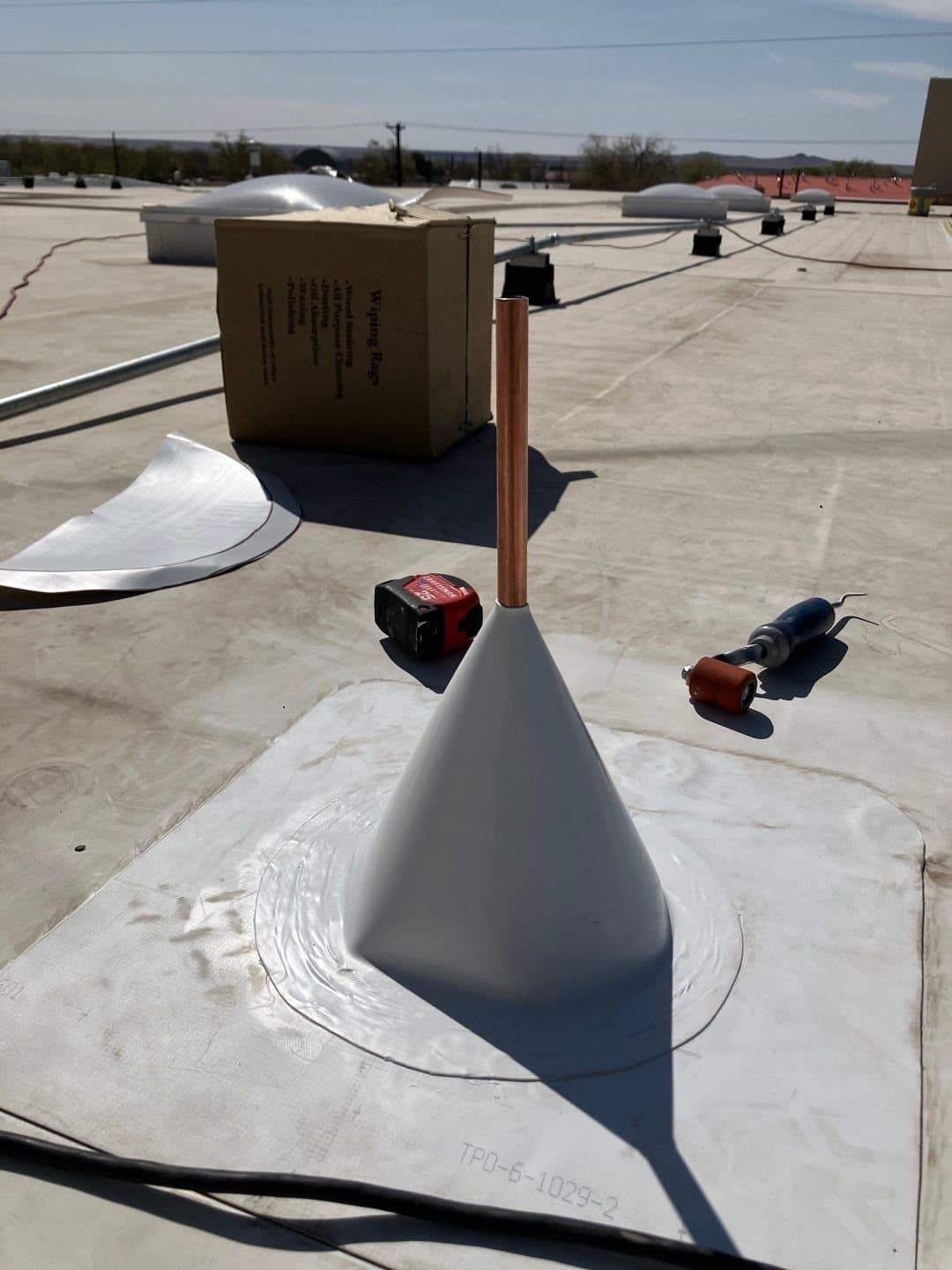
Roof penetrations get the same scrutiny. Every vent and pipe coming through the roof needs a seal around it, and many use a rubber boot that hardens and splits in the sun, making it a common early failure point. Valleys, where two roof slopes meet and shed a lot of water, are checked for wear and debris. So is the drip edge along the eaves and the condition of gutters and downspouts, since water that cannot drain backs up under the edge.
The Attic Side
A good inspection does not stop at the surface. The attic tells you what the surface cannot. The inspector looks for daylight coming through where it should not, water stains on the underside of the deck or on rafters, active moisture, and the state of the insulation, which flattens and loses value when it gets wet.
Ventilation matters here too. A roof that cannot breathe traps heat and moisture, which can shorten the life of the materials above and drive up cooling costs during a long, hot summer. Signs of poor airflow, like rusted nail tips or a musty smell, belong in the report.
Drainage on Flat and Low-Slope Roofs
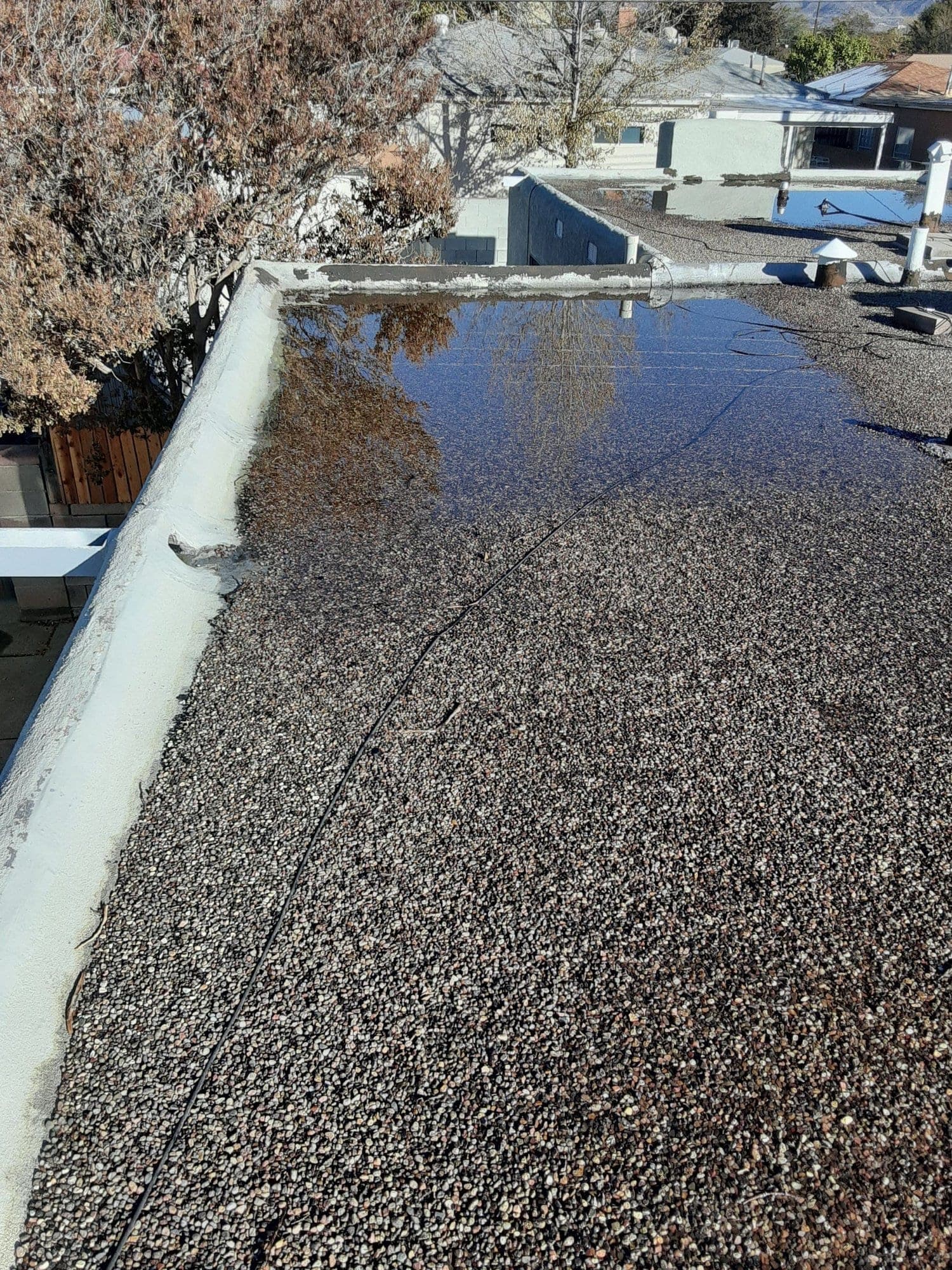
Flat and low-slope roofs are common here, and they live or die by drainage. The inspector looks for ponding, water that sits in low spots more than a day or two after rain, because standing water finds weaknesses and accelerates wear. Monsoon-season downpours test these roofs hard, so the membrane, the seams, and the drains or scuppers all get a close look for cracks, splits, and blockages.
What a Good Report Looks Like
The inspection is only as useful as what you get in writing. A good report is written in plain language, not jargon, and it backs up every finding with a clear, labeled photo so you can see what the inspector saw without climbing up yourself. Photo documentation also gives you a record to compare against next year.
- Clear, labeled photos of each issue found
- Findings explained in plain words, not just technical terms
- A severity or priority level so you know what is urgent versus what can wait
- A rough estimate of remaining roof life
- An honest note when something is fine and needs no action
A good report should also be honest about tradeoffs. If a small repair will buy you several more years, that belongs in writing as clearly as a recommendation to replace. An inspection that only ever points toward the most expensive option is worth being skeptical of.
How Often to Inspect
For this climate, a reasonable rhythm is roughly once a year, plus a check after any major storm that brought hail or strong wind. Intense sun, monsoon-season storms, hail, and wide temperature swings all tend to age a roof faster than a mild climate would, so yearly is a sensible floor rather than overkill.
The reason to keep up with it is simple economics. A cracked boot or a lifted shingle caught early is a small, cheap fix. The same problem left alone lets water into the deck, the insulation, and eventually the ceiling, and by then you are paying to repair far more than the roof. Catching small issues early is almost always the less expensive path.
Related on this site
Want a straight answer on your roof?
A free estimate is the simplest way to find out where your roof really stands. We take a look, document what we find, and tell you straight.
4.9★ · 200+ Google reviews · Licensed, bonded & insured · NM GS-21 #400113