Roofing Guide
Repair or Replace Your Roof? How to Tell.
A calm framework for deciding whether your roof needs a repair or a full replacement, based on age, damage, and cost.
Paramount RoofingLicensed roofing contractor, NM GS-21 #4001134 min read
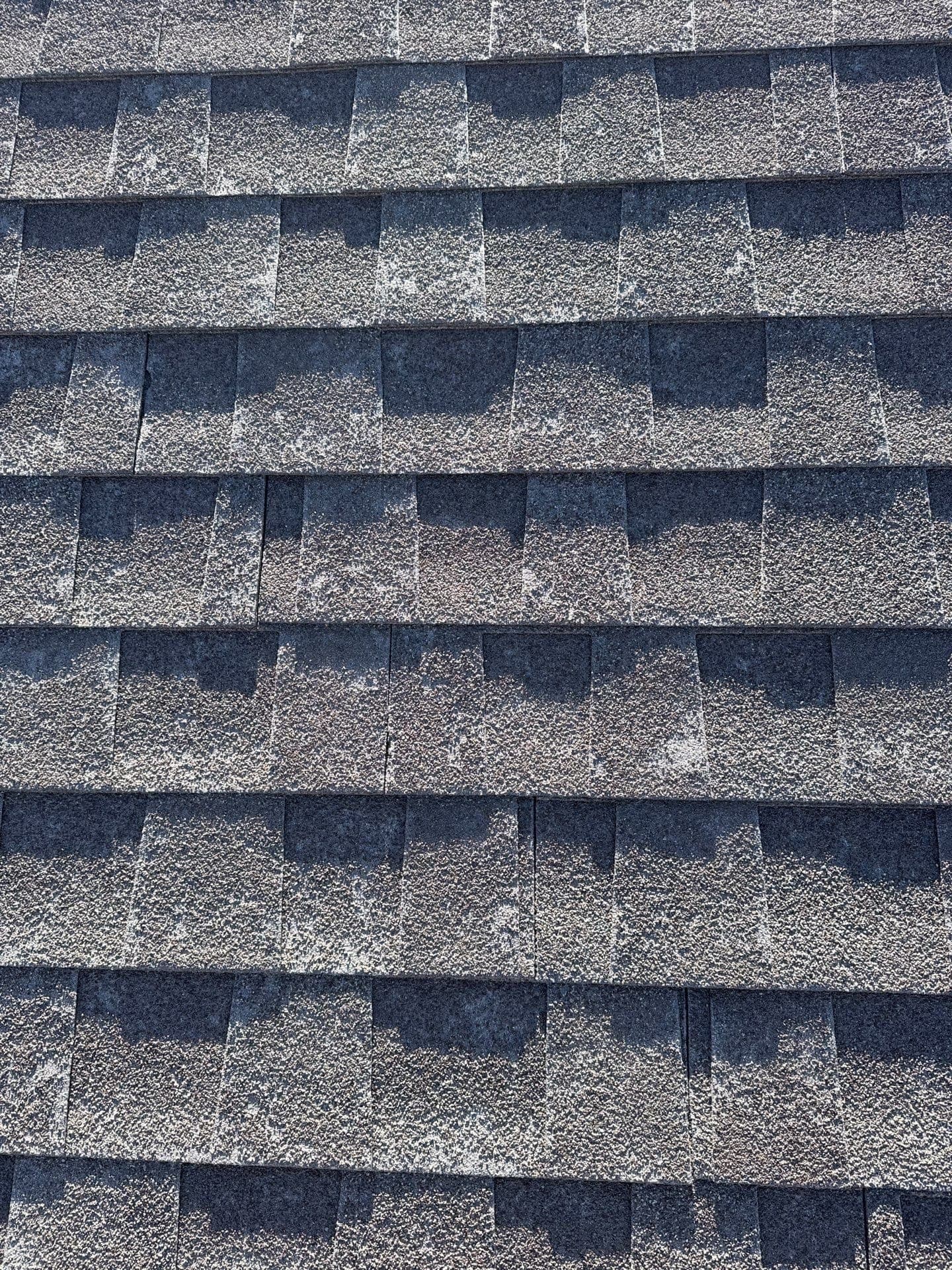
A leak or a few missing shingles raises the same question every time: is this a repair, or is it time for a new roof? The honest answer is that it depends on a handful of factors you can actually reason through. None of them require a sales pitch.
Here is a plain framework for thinking it through before anyone climbs on your roof. The goal is to help you tell the difference between a roof that needs a fix and a roof that is near the end of its life.
Start With the Roof’s Age
Age relative to the material’s expected lifespan is the single biggest factor. A standard asphalt shingle roof often lasts roughly 20 to 30 years, and intense sun and heat can push it toward the lower end of that range. A five-year-old roof with one leak is usually a repair. A 25-year-old asphalt roof with problems showing up in several places is usually telling you it is done.
If your roof still has most of its expected life left, repair is the default assumption. The closer it gets to that lifespan, the more a repair becomes a short-term patch on something that will need replacing soon anyway.
Localized Damage vs. Widespread Failure
One leak in one spot is different from a roof failing in many places at once. A single failure point, such as flashing pulling away where the roof meets a wall or chimney, is a textbook repair. Flashing is the metal that seals those joints, and it can fail on its own while the rest of the roof is fine.
Replacement starts to make sense when the trouble is spread across the whole surface rather than concentrated. Watch for signs that the material itself is wearing out everywhere, not just leaking in one place.
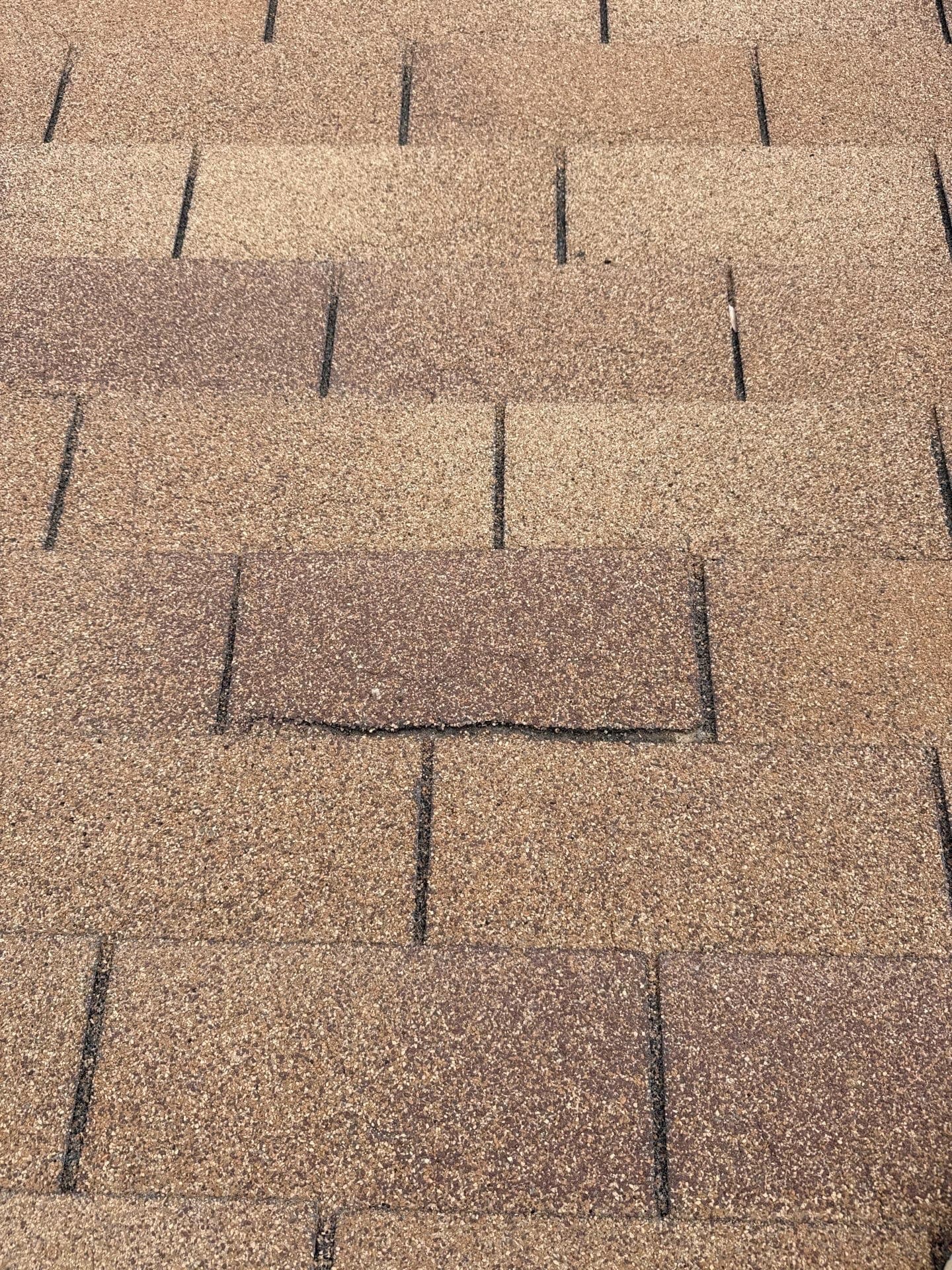
- Bald patches where the protective granules have worn off shingles
- Shingles that are curling, cracking, or going brittle across the roof
- Granules collecting in gutters and at downspout outlets
- Multiple leaks appearing in different areas over a short span
- Daylight visible through the roof boards from inside the attic
Recurring Leaks and the Decking Underneath
A leak that keeps coming back after repairs, or one that spreads, is a warning sign. It often means water has been getting in longer than anyone realized and the problem is bigger than the surface. What sits under the shingles matters as much as the shingles themselves.
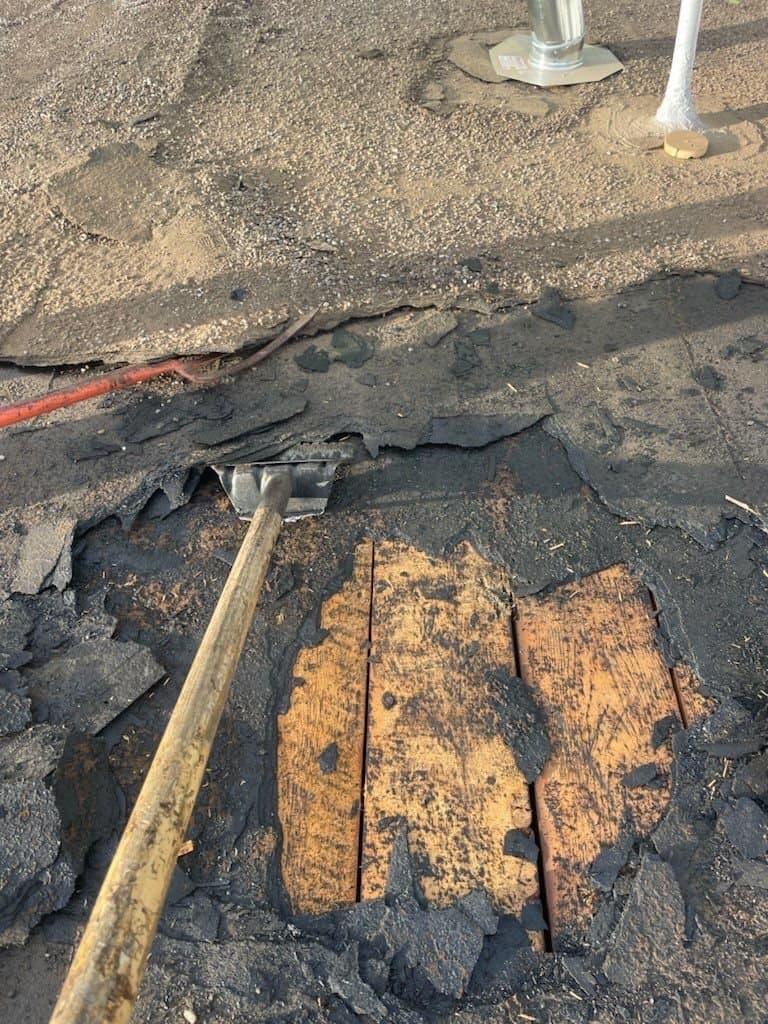
Under the shingles are the underlayment, a water-resistant layer, and the decking, the wood boards forming the roof’s base. If that wood has rotted or the roofline is visibly sagging, a surface repair will not hold for long. Rot and sag change the math and push the decision toward replacement, because the structure itself needs attention.
How many layers are already up there matters too. Many roofs can only carry one or two layers of shingles. If a second layer is already in place, adding more is usually off the table, and a full tear-off and replacement becomes the realistic path.
The Cost Logic and the Insurance Angle
The money side is simpler than it looks. A repair on a roof with years of life left is usually worth it. But when repairs start stacking up and their combined cost climbs toward the price of a new roof, you are spending replacement money on a roof you will still have to replace. Repeatedly patching a roof near the end of its life is the most common way people overspend.
Sudden damage from a storm is a separate question. A major storm with hail or high wind can cause damage that may be a covered insurance claim, depending on your policy. In those cases an adjuster from your insurer and a roofing contractor can each assess the roof, and it is reasonable to have both involved rather than guessing.
What to Expect From a Good Contractor
A trustworthy contractor should be willing to repair when repair is the right call, and should be able to explain in plain terms why a roof does or does not need replacing. If every inspection ends with the same answer regardless of the roof’s condition, that is worth noticing.
Getting a second opinion is normal and reasonable, especially before a large replacement. A roof is a big expense, and there is no harm in confirming the diagnosis. The right choice is the one that matches the actual condition of your roof, not the bigger invoice.
Related on this site
Want a straight answer on your roof?
A free estimate is the simplest way to find out where your roof really stands. We take a look, document what we find, and tell you straight.
4.9★ · 200+ Google reviews · Licensed, bonded & insured · NM GS-21 #400113